
 EN
EN
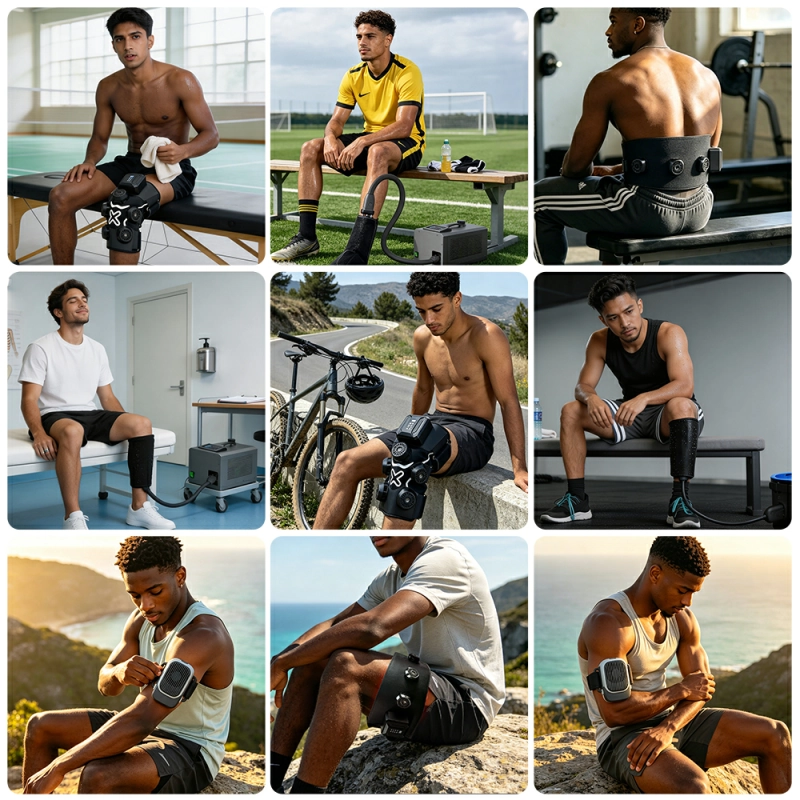
لم تعد معدات التعافي تُستخدم فقط من قِبل الرياضيين المحترفين. فاليوم، تبحث أندية الرياضة، والعياادات الفيزيائية، وصالات الألعاب الرياضية، ومراكز التعافي، وأعمال الرفاهية جميعها عن طرق أفضل لدعم زبائنها بعد التدريب والنشاط البدني. و ماكينة العلاج بالبرودة يمكن أن تكون هذه الآلة جزءًا مهمًّا من هذا النظام لأنها توفر تبريدًا خاضعًا للتحكم دون الحاجة إلى إعداد الثلج في كل جلسة.
أما بالنسبة للموزعين والبائعين بالجملة والمُعاد بيعهم، فالسؤال الأكبر ليس ما إذا كان العلاج بالبرودة فعّالًا أم لا. بل السؤال الحقيقي هو: أي نوع من المعدات مناسب لسوقهم وعملائهم وحجم مشترياتهم؟
يبحث هذا الدليل في الفوائد العملية لأجهزة العلاج بالبرودة، وحالات الاستخدام الشائعة، والميزات المنتجية المهمة، والنقاط الأساسية التي يجب على المشترين من الشركات مراعاتها قبل اختيار المورد.
جدول المحتويات
- ما هو جهاز العلاج بالبرودة؟
- كيف يدعم العلاج بالبرودة تخفيف الألم
- العلاج بالبرودة لاستعادة الصحة بعد الإصابات
- الفوائد الرئيسية لاستخدام نظام احترافي
- التطبيقات التجارية الشائعة
- تقنيات العلاج بالبرودة التي ينبغي مقارنتها
- الميزات المنتجية التي يجب على المشترين التحقق منها
- اختيار المعدات لأنماط الأعمال المختلفة
- ما الذي ينبغي أخذه في الاعتبار قبل إجراء طلب جماعي
- التخصيص تحت العلامة الخاصة (Private Label) والتخصيص حسب الطلب (OEM)
- كيفية تقييم شركة التصنيع
- لماذا نعمل مع كونبيست؟
- أسئلة وأجوبة
ما هو جهاز العلاج بالبرودة؟
أ ماكينة العلاج بالبرودة جهاز احترافي للاستشفاء يُوفِّر تبريدًا خاضعًا للتحكم في منطقة محددة من الجسم. وحسب التصميم، قد يبرد النظام الماء ويُمرِّره عبر غطاء علاجي، أو يستخدم تقنية التبريد بالسمiconductor، أو يجمع بين العلاج البارد والضغط.
الفكرة الأساسية بسيطة: فبدلًا من وضع الثلج مباشرةً على الجسم، يوفِّر الجهاز مصدر تبريد خاضعًا للتحكم عبر نظام مخصص.
وهذا ما يميِّزه عن كيس الثلج القياسي. فكيس الثلج بسيطٌ وغير مكلف، لكن درجة حرارته تتغير أثناء انصهار الثلج. أما الجهاز فيمكنه توفير عملية أكثر تنظيمًا للشركات التي تحتاج إلى استخدام معدات الاستشفاء مرارًا وتكرارًا خلال اليوم.
وبالنسبة للمستخدمين المحترفين، يمكن أن يسهِّل ذلك إدراج العلاج البارد ضمن برنامج استشفاء أوسع نطاقًا.
كيف يدعم العلاج بالبرودة تخفيف الألم
ومن الأسباب الرئيسية التي يلجأ الناس بسببها إلى العلاج البارد هو المساعدة في إدارة الانزعاج المؤقت بعد ممارسة التمارين الرياضية أو النشاط البدني.
عندما تشعر منطقة ما بالحرارة أو التعب أو عدم الراحة بعد نشاط مجهد، فإن التبريد يمكن أن يوفّر إحساسًا مهدئًا. ولهذا السبب تُضمَن العلاجات الباردة غالبًا في روتين التعافي الرياضي وبرامج إعادة التأهيل.
يمكن لآلةٍ ما أن تجعل هذه العملية أكثر تحكّمًا مقارنةً بالإعداد اليدوي للثلج. وباعتمادٍ على الطراز، يستطيع المستخدمون اختيار الإعدادات المتاحة واستخدام غلاف علاجي مناسب للمنطقة المستهدفة.
أما بالنسبة للشركات، فإن ذلك يخلق أيضًا تجربة تعافٍ أكثر احترافية. فيمكن للعملاء استخدام قطعة معدات مخصصة بدلًا من الاعتماد على كيس ثلج بسيط أو طريقة تبريد منزلية.
مع ذلك، يجب استخدام معدات العلاج البارد وفقًا لتوجيهات الشركة المصنِّعة. فهي معدات تعافٍ ولا ينبغي تسويقها كبديلٍ عن التشخيص الطبي أو العلاج المهني.
العلاج بالبرودة لاستعادة الصحة بعد الإصابات
تُستخدم العلاجات الباردة على نطاق واسع في بيئات التعافي الرياضي وإعادة التأهيل. وبعد التدريب المكثف أو النشاط البدني، قد يُستخدَم التبريد كجزءٍ واحدٍ من روتين تعافٍ أوسع.
من المهم أن ننظر إلى العلاج بالبرودة باعتباره أداة واحدة، وليس حلاً شاملاً للتعافي.
قد يشمل برنامج التعافي الاحترافي أيضًا الراحة، وتمارين تحسين الحركة، والتمطيط، والتدليك، والضغط، وتوجيهات من محترفين مؤهلين. ويمكن دمج نظام العلاج بالبرودة في هذه العملية بتوفير خيار تبريدٍ مريح.
وهذا مفيدٌ بشكل خاصٍّ للشركات التي تخدم عملاء نشيطين يوميًّا.
فعلى سبيل المثال، قد يستخدم مركز التعافي الرياضي نظام علاج بالبرودة بعد جلسات التدريب. وقد يجمع مركز العلاج الطبيعي بين العلاج بالبرودة ومعدات إعادة التأهيل الأخرى. كما قد تحتفظ فريق رياضي بمعدات محمولة جاهزة للاعبين أثناء التدريب والمنافسات.
أما بالنسبة للموزعين، فإن فهم هذه التطبيقات المختلفة يُسهِّل عملية اختيار المنتجات كثيرًا.
الفوائد الرئيسية لاستخدام نظام احترافي
التبريد المراقب
واحد من المزايا المهمة لمعدات العلاج بالبرودة الاحترافية هو القدرة على توفير عملية تبريدٍ خاضعة للتحكم. ولا يحتاج المستخدمون إلى إعداد كيس ثلج جديد في كل جلسة.
قد يكون هذا مفيدًا للمنشآت التي قد يحتاج فيها عدة عملاء إلى خدمات الاستشفاء خلال اليوم.
اعتماد أقل على إعداد الثلج يدويًّا
قد تتطلب علاجات الثلج التقليدية تخزين الثلج وإعداده واستبداله بانتظام. ويمكن لجهاز مخصص تبسيط هذه المرحلة من سير العمل.
لمنشأة استشفاء مشغولة، فإن الحد من الإعدادات غير الضرورية يجعل التشغيل اليومي أكثر سهولة.
إمكانية الاستخدام المتكرر
تحتاج المنشآت الاحترافية إلى معدات تتناسب مع سير عملها الروتيني. ويمكن استخدام النظام المخصص مرارًا وتكرارًا وفقًا لتعليمات التشغيل الخاصة به، ما يسهّل دمج العلاج بالبرودة في إجراء الخدمة القياسي.
مناطق علاج مختلفة
يمكن للعديد من الأنظمة العمل مع أكياس تبريد أو إكسسوارات مختلفة. وباعتمادٍ على التكوين، قد تتمكن المنشآت من دعم مناطق مثل الركبة أو الكتف أو الكاحل أو مناطق أخرى من الجسم.
قد تكون هذه المرونة مفيدة للموزِّعين، لأن متطلبات المعدات قد تختلف من عميلٍ لآخر.
تجربة معدات احترافية
يمكن للجهاز المخصص أن يوفّر تجربةً أكثر اكتمالاً مقارنةً بالكمّادة الثلجية الأساسية. فالضوابط الرقمية، والأنابيب المخصصة، واللفائف العلاجية، والتصاميم المصممة خصيصاً تجعل من السهل دمج المعدات في بيئة احترافية للتعافي.
التطبيقات التجارية الشائعة
مراكز استعادة الأداء الرياضي
تُعَد مراكز التعافي الرياضي إحدى أقوى الأسواق تطبيقاً لأنظمة العلاج البارد. وقد يشمل عملاؤها العدّائين ودراجي الدراجات الهوائية وهواة اللياقة البدنية والرياضيين الهواة والرياضيين المحترفين.
عادةً ما تحتاج هذه الشركات إلى معداتٍ سهلة التشغيل، ومناسبةٍ للاستخدام المتكرر، ومتوافقةٍ مع خدمات التعافي الأخرى.
الفِرق الرياضية الاحترافية
قد تستخدم الفِرق الرياضية معدات التعافي أثناء التدريبات المنتظمة وفترات المنافسات والسفر.
وفي هذه السوق، قد تكون قابلية النقل ذات أهمية خاصة. فقد يكون النظام المدمج أسهل في نقله بين مرافق التدريب والمواقع الأخرى.
عيادات العلاج الطبيعي وإعادة التأهيل
قد تضم العيادات العلاج بالبرودة كجزء من منظومة أوسع للتعافي أو إعادة التأهيل. وفي هذه السوق، يولي المشترون اهتمامًا وثيقًا بالمواصفات الفنية والوثائق ونوعية المنتج والشهادات المعمول بها.
وبالتالي، ينبغي لموزِّعي المعدات إلى العيادات أن يختاروا مورِّدين قادرين على تزويدِهم بمعلوماتٍ كاملةٍ عن المنتج بدلًا من تقديم كتالوج أساسي فقط.
صالات الجيم ومراكز اللياقة
وتُضيف مؤسسات اللياقة البدنية باطراد خدمات التعافي إلى مرافقها. ويمكن أن يوفِّر نظام علاج بالبرودة مدمج الحجم خيارًا إضافيًّا للتعافي أمام الزبائن بعد التمارين الشاقة.
أما بالنسبة إلى الصالات الرياضية، فإن حجم المنتج وسهولة تشغيله ومظهره ومتطلبات صيانته كلُّها عوامل قد تؤثر في قرار الشراء.
علامات العناية بالصحة والتعافي
قد تهتم علامات التعافي بالمعدات التي يمكن تسويقها باسم العلامة التجارية الخاصة بها. ولذلك، فإن تخصيص المنتج ودعم المصنع المستمر يكتسبان أهميةً مماثلةً لأهمية الجهاز نفسه لدى هؤلاء المشترين.
تقنيات العلاج بالبرودة التي ينبغي مقارنتها
ليس كل جهاز العلاج بالبرودة الشديدة يستخدم نفس طريقة التبريد. ويجب على مشتري الشركات من الشركات الأخرى فهم الفروق الأساسية قبل اختيار المنتجات لأسواقهم.
أنظمة تدوير الماء
تبرّد هذه الأنظمة الماء وتدوره عبر غلاف علاجي. وعادةً ما تشمل تركيبتها وحدة تبريد، ومضخّة، وأنابيب، وموصلات، وغلافًا جسديًّا.
هذه التصاميم عملية في بيئات الاستشفاء الاحترافية، حيث يشكّل تدوير الماء المتحكَّم فيه جزءًا من إعداد العلاج المرغوب.
تبريد أشباه الموصلات
وتستخدم بعض الأنظمة الحديثة تقنية التبريد بالسمiconductor. وقد يمكّن ذلك المصنّعين من إنشاء معدّات مدمجة دون الاعتماد على عملية التبريد التقليدية القائمة على الثلج.
وبالنسبة للشركات التي تقدّر المعدّات المدمجة والتصاميم الحديثة للمنتجات، فقد تكون هذه الأنواع من الأنظمة جديرة بالنظر.
أنظمة الضغط الباردة
وتجمع بعض أجهزة الاستشفاء بين التبريد والضغط. وهذا يوفّر للمستخدمين وظيفتين في نظام واحد، وقد يكون مفيدًا في بيئات استشفاء الرياضيين المحترفين وإعادة التأهيل.
عند تقييم نموذج ضغط بارد، يجب على المشترين مراجعة إعدادات الضغط وطرائق التشغيل ومواصفات التبريد والملحقات والمناطق التي يغطيها المنتج.
الميزات المنتجية التي يجب على المشترين التحقق منها
قد تُظهر صفحة منتج جيدة جهازًا جذّابًا، لكن قرارات الشراء بين الشركات تتطلب معلومات أكثر.
أداء التبريد
اطلب نطاق التبريد ووسيلة التبريد ومواصفات التشغيل. ويجب أن تكون هذه المعلومات واضحة بما يكفي لفريقك التقني وعملائك ليتفهموها.
تحكم في درجة الحرارة
تحقق من طريقة التحكم في درجة الحرارة وما إذا كان الجهاز يوفّر واجهة بسيطة للاستخدام اليومي.
تدفّق المياه ودورانها
بالنسبة للأنظمة القائمة على الماء، فحّص تركيب الدوران والمضخّة وأنابيب التوصيل والموصلات ولِفافات العلاج. فجميع هذه الأجزاء تسهم في تجربة المستخدم العامة.
إعدادات الضغط
إذا اشتمل النظام على وظيفة الضغط، فتحقّق من مستويات الضغط المتوفرة وطرائق التشغيل. وتأكد من أن التكوين يتماشى مع احتياجات العملاء المستهدفين لديك.
الملحقات
لا ينبغي اعتبار الملحقات تفصيلًا صغيرًا. فقد يحتاج العملاء المختلفون إلى أغطية أو وصلات أو خيارات مناطق الهيكل المختلفة.
يمكن لمورد يدعم تخصيص الملحقات أن يمنح الموزعين مرونة أكبر عند إنشاء نطاق منتجاتهم.
الحجم والنقلية
قد تكون قابلية النقل أولوية بالنسبة لفرق الرياضة وخدمات الاستعادة المتنقلة. أما المرافق الثابتة فقد تفضل تصميمًا مختلفًا يشمل مجموعة أوسع من الملحقات.
التوزيع الكهربائي
على المشترين الدوليين التأكد من الجهد الكهربائي والتردد ونوع القابض وغيرها من المتطلبات الكهربائية قبل الإنتاج. ويجب دائمًا تأكيد التكوين النهائي مع الشركة المصنعة.
اختيار المعدات لأنماط الأعمال المختلفة
ليست هناك حاجة لأن تناسب نفس الآلة كل نشاط تجاري.
أ الموزع فالبيع لفرق الرياضة قد يتطلب منتجات قابلة للنقل. وقد يحتاج الجملة التي تخدم العيادات إلى نماذج تمتلك وظائف احترافية أكثر وتوثيقًا كاملاً. أما المُعيد الذي يستهدف مستخدمي الاستعادة المنزلية فقد يفضّل منتجات مدمجة ذات تحكم بسيط.
ولهذا السبب يجب أن يبدأ اختيار المنتج من العميل بدلًا من كتالوج المصنع.
اطرح أربعة أسئلة بسيطة:
- من سيستخدم هذا المنتج؟
- أين سيُستخدم المنتج؟
- كم مرة سيُستخدم؟
- ما الوظائف التي يحتاجها العميل فعليًّا؟
يمكن أن تساعدك الإجابات في اختيار المنتج المناسب بدلًا من الاحتفاظ بعدد كبير جدًّا من الموديلات في المخزون.
لماذا يهم تنوع المنتجات للموزِّعين؟
غالبًا ما يحتاج الموزِّعون إلى أكثر من منتج للاستشفاء. فقد يحتاج العميل الذي يشتري نظام علاج بالبرد أيضًا إلى أحذية ضغط، أو معدات تدليك، أو أنظمة علاج بالحرارة والبرد، أو غيرها من منتجات الاستشفاء.
يُسهِّل التعامل مع مصنِّعٍ يوفِّر نطاق منتجات أوسع هذه العملية.
وبدلًا من إدارة عدد كبير من المورِّدين الصغار، يمكن للموزِّع أن يبني كتالوجًا أوسع لمعدات الاستشفاء بالتعاون مع شريك تصنيعي واحدٍ خبير.
وهذا مفيدٌ جدًّا للشركات التي ترغب في تطوير خط منتجات خاصة بها على المدى الطويل.
ما الذي ينبغي أخذه في الاعتبار قبل إجراء طلب جماعي
عملية شراء عينة واحدة تختلف اختلافًا كبيرًا عن عملية شراء مئات الآلات.
عند إعداد طلب متوسط أو كبير الحجم، ينبغي على الموزعين والتجار الجملة تقييم المصنع بدقةٍ مماثلة لتقييمهم للمنتج نفسه.
ابدأ بالتحقق من التفاصيل التجارية الأساسية:
- الكمية الدنيا للطلب
- توافر العينة
- وقت إنتاج
- قدرة على تنفيذ الطلبات بالجملة
- متطلبات التغليف
- خيارات الملحقات
- عملية فحص الجودة
- وثائق التصديق
- ترتيبات الشحن
- الدعم ما بعد البيع
كما أنَّ مقارنة مستويات كميات مختلفة أمرٌ مفيدٌ أيضًا. فعلى سبيل المثال، قد تختلف خطة الشراء لـ ٥٠ وحدة اختلافًا كبيرًا عن خطة شراء ٥٠٠ وحدة أو طلب بحجم حاوية كاملة.
وينبغي أن يكون المورِّد قادرًا على توضيح كيفية التعامل مع الإنتاج والتغليف والتوصيل كلما زاد حجم الطلب.
وبالنسبة لموزِّع جديد، فإن البدء بطلب متوسط الحجم يُعدُّ وسيلة عملية لاختبار السوق. وبمجرد استقرار الطلب على المنتج، يمكن مناقشة خطط شراء أكبر مع الشركة المصنِّعة.
التخصيص تحت العلامة الخاصة (Private Label) والتخصيص حسب الطلب (OEM)
تمنح العلامة الخاصة للموزعين ومُوزِّعي البيع بالتجزئة تحكُّمًا أكبر في عرض منتجاتهم.
تدعم شركة كونبيست شعار العلامة الخاصة، والألوان، والتغليف، وتخصيص الملحقات للمشاريع المُطبَّقة. يسمح هذا للمشترين من الشركات بتطوير منتجات تتماشى مع هوية علامتهم التجارية.
تشمل التخصيصات ما يلي:
- شعار العلامة التجارية
- لون المنتج
- تصميم التغليف
- الملحقات
- تفاصيل مظهر المنتج
يجب على المشترين الموافقة على عينة مخصصة قبل الإنتاج الضخم. ويكتسب هذا الأهميةَ خاصةً عند كبر حجم الطلب.
يساعد وجود عملية واضحة لاعتماد العينات الطرفين على التأكُّد من التكوين النهائي للمنتج قبل بدء الإنتاج.
لماذا تُعَدُّ أخذ العينات أمراً مهماً؟
العينة ليست مجرَّد عرضٍ للمنتج، بل هي فرصةٌ للتحقق مما إذا كان الجهاز يتطابق فعلاً مع متطلبات سوقك.
أثناء تقييم العينة، تحقَّق من مظهر الجهاز ووحدات التحكُّم فيه ووظيفة التبريد والإكسسوارات وأنابيب التوصيل والتغليف ومستوى الضوضاء وجودة التصنيع العامة.
إذا كنت تنوي بيع المنتج تحت علامتك التجارية الخاصة، فتحقَّق أيضاً من الشعار واللون والتغليف والملصقات والإكسسوارات.
تدعم شركة كونبيست أخذ العينات خلال يومين للمشاريع المُطبَّقة، ما يساعد المشترين من الشركات على الانتقال من اختيار المنتج إلى تقييمه بشكل أسرع.
كيفية تقييم شركة التصنيع
إن اختيار المورِّد استناداً فقط إلى السعر قد يولِّد مشكلاتٍ لاحقاً، لا سيما في الطلبات الكبيرة.
يجب أن تشمل التقييمات الأقوى أربعة مجالات: القدرة التصنيعية، ومراقبة الجودة، ودعم التخصيص، والخبرة الدولية.
القدرة التصنيعية
تحقق من حجم المصنع، وخطوط الإنتاج، والمعدات، والقوى العاملة، وتخطيط الإنتاج. ويجب أن يمتلك المصنع القدرة على تلبية طلبك الأول وكذلك الطلبات المتكررة المحتملة.
مراقبة الجودة
اسأل عن كيفية فحص المواد الداخلة، وعمليات الإنتاج، والمنتجات النهائية، والتغليف.
دعم التخصيص
إذا كنت تبني علامة تجارية خاصة، فتأكد من أن المصنّع قادرٌ على تلبية متطلبات الشعار، واللون، والتغليف، والإكسسوارات.
تجربة دولية
الخبرة في التصدير قد تسهّل التواصل وإدارة الطلبات. كما أنها تساعد المصنع على فهم المتطلبات المختلفة التي قد يفرضها مشترو الأعمال الدوليون.
لماذا نعمل مع كونبيست؟
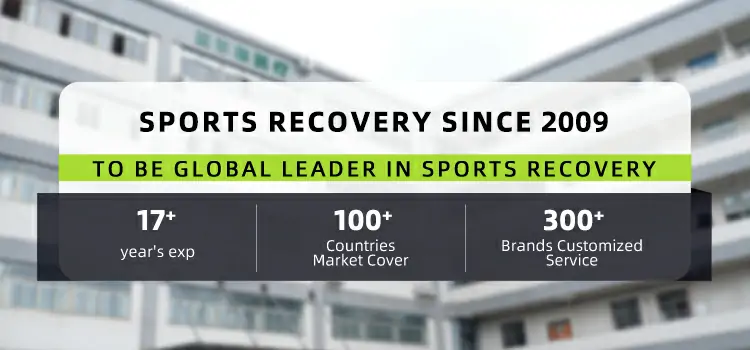
شركة كونبيست لديها خبرة تمتد لـ ١٧ عاماً في مجال البحث والتطوير وتصنيع منتجات التعافي الرياضي وتوفر منتجاتها لأكثر من ١٠٠ دولة، ولها خبرة في العمل مع أكثر من ٣٠٠ علامة تجارية مخصصة.
تعمل الشركة في منشأة تصنيع تبلغ مساحتها ١٢٠٠٠ متر مربع خمس خطوط إنتاج، وقاعة عرض مخصصة للمنتجات الرفيعة المستوى، وفرق احترافية متخصصة في البحث والتطوير ومراقبة الجودة.
كما تمتلك شركة كونبيست خبرة منتجات مرتبطة بأكثر من ٢٠٬٠٠٠ رياضي محترف، وتطوّر معدات الاستشفاء الخاصة بها وفق معايير منتجات طبية المستوى.
وتقدّم الشركة للمشترين الدوليين من قطاع الأعمال إلى الأعمال الشهادات ووثائق الامتثال التالية: سي إي، آيزو، روهس، وبسكاي . ويجب على المشترين التأكد من الوثائق التي تنطبق على الموديل المحدّد والسوق المستهدفة قبل الاستيراد.
ويشمل دعم كونبيست للموزّعين والبائعين بالجملة ومُعيدَي البيع ما يلي:
- 17 عامًا من الخبرة في الصناعة
- منتجات مورَّدة إلى أكثر من ١٠٠ دولة
- أكثر من ٣٠٠ مشروع علامة تجارية مخصّص
- مصنعًا بمساحة 12,000 متر مربع
- خمس خطوط إنتاج
- فرق بحث وتطوير وضوابط جودة متخصصة
- تخصيص شعار العلامة الخاصة
- تخصيص اللون
- تعبئة مخصصة
- إكسسوارات مخصصة
- أخذ العينات خلال يومَين للمشاريع المؤهلة
- الشحن خلال سبعة أيام للطلبات المؤهلة
- دعم تفتيش المصنع
- حلول استشفاء رياضية شاملة من نقطة واحدة
بناء خط كامل من منتجات الاستشفاء
لا يجب أن تُباع العلاجات الباردة كمنتج منفرد.
يمكن لموزّعٍ ما إنشاء مجموعة أوسع من منتجات الاستشفاء عبر دمج أجهزة العلاج البارد مع أحذية الضغط، وأجهزة التدليك، وأنظمة العلاج الساخن والبارد، وغيرها من معدات الاستشفاء الرياضي.
هذه الطريقة مفيدةٌ للموزِّعين الجملة والمُعيدِين البيعَ الذين يخدمون أنواعاً مختلفة من الزبائن المهنيين.
فعلى سبيل المثال، قد تحتاج فرقة رياضيةٌ إلى معدات استشفاء محمولة، بينما قد يرغب مركز الاستشفاء في الحصول على عدة خيارات علاجية. وقد تفضّل شركة اللياقة البدنية معداتٍ مدمجة، بينما قد تتطلّب العيادة تركيبةً أكثر احترافية.
يمكن لشركة تصنيعٍ تمتلك نطاقاً واسعاً من المنتجات أن تساعدك في تلبية هذه المتطلبات المختلفة دون الحاجة لتغيير المورِّد لكل فئة من الفئات المنتجية.
هل الشراء متوسّط الحجم أم كبير الحجم؟
لا يوجد كمية طلبٍ واحدة تنطبق على جميع الموزِّعين.
الشراء متوسّط الحجم قد يكون منطقياً عند دخول سوقٍ جديدة، أو اختبار نموذج جديد، أو إضافة منتجات العلاج بالبرودة إلى كتالوجٍ قائم.
الشراء بكميات كبيرة وهو الأنسب لموزِّعي الجملة الراسخين، والموزِّعين الإقليميين، والعلامات التجارية الخاصة، والشركات ذات الطلب المستقر من العملاء.
قبل زيادة كمية طلبك، راجع قنوات المبيعات الحالية، مساحة المخزون، طلب العملاء، خطة الشحن، وجدول المنتجات المتوقع.
ثم شارك هذه المعلومات مع المصنع. يجب أن يكون المورد الموثوق به قادراً على مناقشة خطة الإنتاج معك بدلاً من التركيز فقط على السعر الفردية.
أفكار ختامية
فوائد ماكينة العلاج بالبرودة تتجاوز البرد البسيط بالنسبة لمراكز التعافي الرياضية والعيادات والصالات الرياضية والفرق وشركات الصحة، يمكن أن يوفر نظام احترافي خيارًا للتعافي أكثر سيطرة ومتكررة.
بالنسبة للموزعين والبائعين بالجملة، يحتاج قرار الشراء إلى رؤية أوسع. تكنولوجيا التبريد، التحكم في درجة الحرارة، الملحقات، وظائف الضغط، قابلية النقل، الشهادات، التخصيص، القدرة الإنتاجية، وخبرة الموردين جميعها تستحق الاهتمام.
تجمع شركة كونبيست خبرةً تبلغ ١٧ سنة في تصنيع معدات التعافي الرياضي، مع مصنعٍ مساحته ١٢٠٠٠ متر مربع، وخمس خطوط إنتاج، وفرق متخصصة في البحث والتطوير ومراقبة الجودة، وشهادات دولية، وخدمات العلامات الخاصة، ومجموعة واسعة من معدات التعافي.
سواء كنت تبحث عن طلب ابتدائي متوسط الحجم أو تستعد لمشروع جملة وعلامات خاصة أكبر، فإن شركة كونبيست قادرة على دعمك في اختيار المنتجات، وأخذ العينات، والتخصيص، والتغليف، والإكسسوارات، وتفقد المصنع، والإنتاج.
هل تبحث عن شركة مصنِّعة موثوقة لماكينات العلاج البارد لنشاطك التوزيعي أو بالجملة؟ اتصل بكونبيست لمناقشة نماذج المنتجات، والمواصفات الفنية، والعينات، والتخصيص، ومتطلبات الشراء بالجملة.
اطّلع على أجهزة الكريوتيرابي من كونبيست
أسئلة وأجوبة
السؤال الأول: ما الغرض من استخدام ماكينة العلاج البارد؟
جهاز العلاج بالبرودة يوفّر تبريدًا خاضعًا للرقابة في بيئات التعافي. ويمكن استخدامه في مراكز تعافي الرياضيين، والصالات الرياضية، ومرافق العلاج الطبيعي، وبيئات إعادة التأهيل، وأعمال الرعاية الصحية، وذلك حسب طراز المنتج.
السؤال ٢: هل يساعد العلاج بالبرودة في تخفيف الألم؟
يُستخدم العلاج بالبرودة عادةً لتوفير إحساسٍ منعشٍ ومهدّئٍ، ولدعم عملية التعافي بعد النشاط البدني. وينبغي على المستخدمين اتباع تعليمات الشركة المصنِّعة، والبحث عن المشورة الطبية المهنية عند الحاجة.
السؤال ٣: ما الفرق بين العلاج بالبرودة والعلاج بالبرودة والضغط؟
يركّز العلاج بالبرودة على التبريد الخاضع للرقابة، بينما يجمع العلاج بالبرودة والضغط بين التبريد والضغط معًا. أما الخيار الأفضل فيعتمد على الوظائف التي يحتاجها العميل المستهدف.
السؤال ٤: هل يمكن لشركة KONBEST تخصيص أجهزة العلاج بالبرودة؟
نعم. تدعم شركة KONBEST تخصيص العلامة الخاصة (Logo)، ولون المنتج، والتغليف، والإكسسوارات في المشاريع المناسبة.
السؤال ٥: هل توفر شركة KONBEST عيّنات؟
نعم. تدعم شركة كونبيست أخذ عينات خلال يومَيْن للمشاريع المؤهلة، ما يسمح للمشترين بتقييم المنتج قبل الانتقال إلى إنتاج أكبر.
السؤال ٦: هل شركة كونبيست مناسبة للتوزيعين والوكلاء الجملة؟
نعم. تزود شركة كونبيست منتجاتها أكثر من ١٠٠ دولة، وعملت مع أكثر من ٣٠٠ علامة تجارية مخصصة، وتدير مصنعاً مساحته ١٢٠٠٠ متر مربع ويضم خمس خطوط إنتاج.
السؤال ٧: هل يمكن للمشترين فحص المصنع؟
نعم. تتيح شركة كونبيست فحص المصنع للشركاء المحتملين في مجال الأعمال مع الأعمال (B2B) الراغبين في تقييم بيئة التصنيع وقدرات الإنتاج لديها.
السؤال ٨: هل يمكنني شراء منتجات أخرى لاستعادة اللياقة البدنية من شركة كونبيست؟
نعم. توفر شركة كونبيست نطاقاً أوسع من معدات استعادة اللياقة البدنية، ما يجعل من الممكن للتوزيعين والوكلاء الجملة بناء مجموعة منتجات أكثر اكتمالاً عبر شريك تصنيع واحد.
جدول المحتويات
- جدول المحتويات
- ما هو جهاز العلاج بالبرودة؟
- كيف يدعم العلاج بالبرودة تخفيف الألم
- العلاج بالبرودة لاستعادة الصحة بعد الإصابات
- الفوائد الرئيسية لاستخدام نظام احترافي
- التطبيقات التجارية الشائعة
- تقنيات العلاج بالبرودة التي ينبغي مقارنتها
- الميزات المنتجية التي يجب على المشترين التحقق منها
- اختيار المعدات لأنماط الأعمال المختلفة
- لماذا يهم تنوع المنتجات للموزِّعين؟
- ما الذي ينبغي أخذه في الاعتبار قبل إجراء طلب جماعي
- التخصيص تحت العلامة الخاصة (Private Label) والتخصيص حسب الطلب (OEM)
- لماذا تُعَدُّ أخذ العينات أمراً مهماً؟
- كيفية تقييم شركة التصنيع
- لماذا نعمل مع كونبيست؟
- بناء خط كامل من منتجات الاستشفاء
- هل الشراء متوسّط الحجم أم كبير الحجم؟
- أفكار ختامية
-
أسئلة وأجوبة
- السؤال الأول: ما الغرض من استخدام ماكينة العلاج البارد؟
- السؤال ٢: هل يساعد العلاج بالبرودة في تخفيف الألم؟
- السؤال ٣: ما الفرق بين العلاج بالبرودة والعلاج بالبرودة والضغط؟
- السؤال ٤: هل يمكن لشركة KONBEST تخصيص أجهزة العلاج بالبرودة؟
- السؤال ٥: هل توفر شركة KONBEST عيّنات؟
- السؤال ٦: هل شركة كونبيست مناسبة للتوزيعين والوكلاء الجملة؟
- السؤال ٧: هل يمكن للمشترين فحص المصنع؟
- السؤال ٨: هل يمكنني شراء منتجات أخرى لاستعادة اللياقة البدنية من شركة كونبيست؟