
 EN
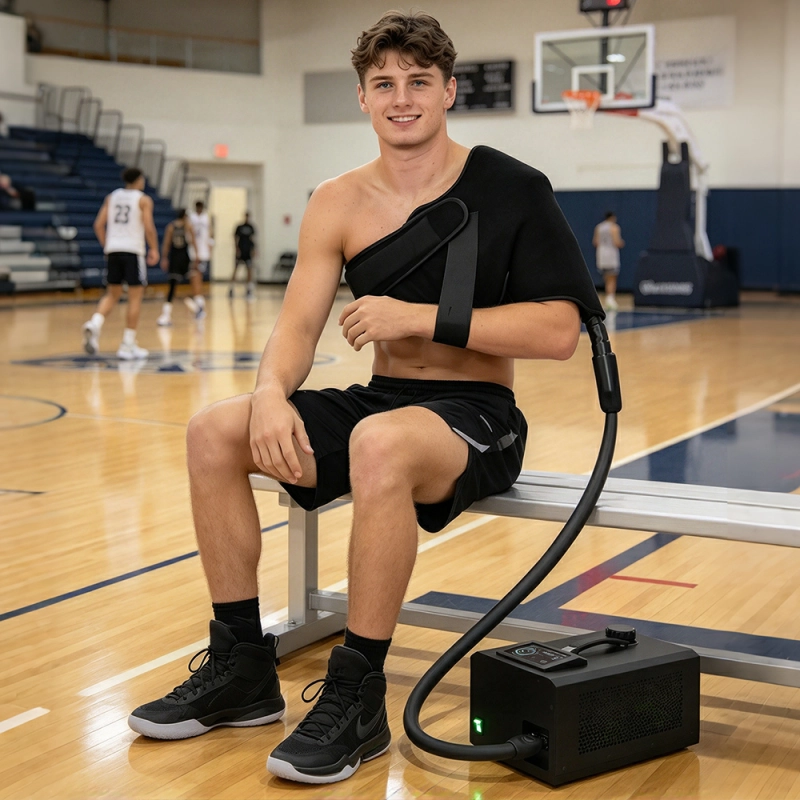
When sourcing compression boots for a growing recovery equipment business, choosing the right product is only the first step. You also need to decide how the product will be developed, manufactured, branded, and supplied to your market.
For distributors, wholesalers, importers, and resellers, three common manufacturing options are OEM, ODM, and Private Label. Although these terms are often used together, they represent different levels of product design, customization, and brand control.
Working with an experienced compression boots manufacturer can make a major difference when you plan to purchase hundreds or thousands of units. The right cooperation model helps control product costs, reduce development time, keep product quality consistent, and build a stable supply chain.
This guide explains the differences between OEM, ODM, and Private Label compression boots, with practical examples to help B2B buyers choose the right solution.
Table of Contents
- 1. What Do OEM, ODM, and Private Label Mean?
- 2. OEM Compression Boots: Build Products to Your Specifications
- 3. ODM Compression Boots: Save Time on Product Development
- 4. Private Label Compression Boots: Build Your Own Brand
- 5. OEM vs ODM vs Private Label: Key Differences
- 6. How to Match Compression Boots with Your Market
- 7. What B2B Buyers Should Check Before Bulk Orders
- 8. Why Choose KONBEST as Your Compression Boots Manufacturer?
- 9. Frequently Asked Questions
1. What Do OEM, ODM, and Private Label Mean?
Before requesting a quotation, it is important to understand what each cooperation model includes.
OEM (Original Equipment Manufacturer) means the manufacturer produces compression boots according to your product specifications, design requirements, or technical instructions. You have more control over the product details.
ODM (Original Design Manufacturer) means the manufacturer provides an existing product design or development solution. You can select a suitable product and request changes based on your business needs.
Private Label means you sell products under your own brand name. Depending on the project, you can customize the logo, product colors, packaging, labels, and accessories.
For example, a sports equipment distributor may choose an existing six-chamber compression system, add its own logo, and order customized packaging. This is a typical private label project.
Another company may want to change the product structure or develop special functions. This may require an ODM or OEM cooperation plan.
2. OEM Compression Boots: Build Products to Your Specifications
OEM compression boots are suitable for companies that already understand their target market and have clear product requirements.
For example, a rehabilitation equipment supplier may need compression boots with specific pressure settings, chamber structures, controller functions, and accessories. Instead of purchasing a standard product, the buyer works with the factory to meet these requirements.
Important customization areas may include:
- Air chamber structure and compression design.
- Pressure range and adjustment levels.
- Massage modes and treatment time settings.
- Controller design and display functions.
- Product materials and appearance.
- Power supply and rechargeable battery options.
- Packaging, accessories, and product labels.
For medium and large orders, OEM cooperation can help businesses maintain consistent product specifications across different purchasing batches.
Practical application: A distributor supplying professional sports recovery centers may require six-chamber boots with adjustable pressure and multiple massage modes. The factory can help confirm the technical requirements before sample approval and mass production.
This approach is useful when product performance and market positioning are more important than simply choosing the lowest purchase price.
3. ODM Compression Boots: Save Time on Product Development
ODM compression boots are a practical option for buyers who want a professional product but do not have their own product design team.
Instead of developing everything from the beginning, you can select a model from the manufacturer's existing product range. The factory provides the basic product design, technical structure, and manufacturing support.
Depending on the model and project, buyers may request changes to:
- Product appearance and color.
- Logo and brand presentation.
- Controller options.
- Packaging and product accessories.
- Selected technical configurations.
For example, a fitness equipment wholesaler wants to add recovery boots to its existing product range. It does not need to invest in a completely new product design. It can select a suitable four-chamber or six-chamber model and discuss available customization options with the manufacturer.
This reduces the development work required from the buyer and makes product planning easier.
Practical application: ODM is particularly useful for importers and distributors entering a new recovery equipment category. They can start with a proven product platform, test market demand, and expand the product range when purchasing demand becomes clear.
4. Private Label Compression Boots: Build Your Own Brand
Private label compression boots are designed for businesses that want to sell recovery equipment under their own brand.
Unlike ordinary wholesale purchasing, private label cooperation gives buyers more control over how the product appears in their market.
A complete private label project can include:
- Custom brand logo on the compression boots and controller.
- Customized product colors.
- Branded retail and shipping packaging.
- Customized accessories.
- Product labels and user manuals.
- Consistent branding across different product models.
For example, a European recovery equipment distributor may already sell massage guns, cold therapy devices, and fitness recovery products under its own brand. Adding private label compression boots allows the company to expand its product category while maintaining a consistent brand appearance.
For wholesalers, this approach can also help build a more recognizable product range for long-term cooperation with local retailers and professional customers.
However, buyers should confirm the minimum order quantity, available colors, logo placement, packaging requirements, sample approval, and production schedule before placing a bulk order.
5. OEM vs ODM vs Private Label: Key Differences
Although these three models can overlap, their main differences are related to product development and customization requirements.
| Comparison | OEM | ODM | Private Label |
|---|---|---|---|
| Product design | Buyer specifications | Factory design | Usually existing design |
| Development work | Higher | Lower | Low to medium |
| Logo customization | Available | Available | Available |
| Color customization | Project-based | Project-based | Project-based |
| Packaging customization | Available | Available | Available |
| Product control | High | Based on available design | Based on selected model |
| Suitable buyers | Established brands | Importers and distributors | Wholesalers and brand owners |
Which option should you choose?
- Choose OEM if you have clear technical requirements and need a customized product.
- Choose ODM if you want to use an existing product design with selected changes.
- Choose Private Label if your main goal is to sell compression boots under your own brand.
These models are not always separate. For example, a private label project can also use an ODM product platform, while a larger brand may combine OEM development with private label packaging.
6. How to Match Compression Boots with Your Market
Choosing the right compression boots is not only about the number of air chambers. Buyers should consider the actual users, application environment, product positioning, and expected purchase volume.
Four-Chamber Compression Boots for Everyday Recovery
Four-chamber systems can be a practical choice for general recovery equipment ranges, fitness retailers, and home-use product channels.
For example, KONBEST offers four-chamber models with different configurations. The 9490Pro wireless model supports five massage modes, adjustable pressure from 30–240 mmHg, and app or remote control. Its 3200mAh rechargeable battery supports portable use.
These features make it suitable for retailers and distributors looking for portable recovery equipment with convenient operation.
Six-Chamber Compression Boots for Professional Applications
Six-chamber systems offer more air sections for controlled compression across the legs. They can be considered for gyms, sports recovery centers, fitness equipment distributors, and professional recovery channels.
For example, the KONBEST 9690K-E features:
- Six or eight overlapping chamber design, depending on configuration.
- Adjustable pressure from 30–260 mmHg.
- Six massage modes.
- 5200mAh rechargeable lithium battery.
- Large color LCD screen.
- Low-noise pump operating below 45 dB.
The overlapping chamber structure provides more complete coverage along the leg. The adjustable pressure and multiple modes also give users more choices when setting up a recovery session.
For distributors serving sports clubs and professional fitness facilities, these functions can provide a stronger product specification for their professional product range.
Eight-Chamber Compression Boots for Advanced Product Lines
Eight-chamber systems can be considered by businesses targeting advanced recovery equipment markets.
More chamber sections allow the product to provide a more detailed compression layout. This may be useful for premium recovery equipment channels, specialized sports facilities, and professional equipment retailers.
However, more chambers do not automatically mean a better product for every customer. Buyers should compare the actual pressure range, chamber structure, control system, durability, noise level, and user experience before making a purchasing decision.
7. What B2B Buyers Should Check Before Bulk Orders
Finding a compression boots manufacturer is only one part of a successful purchasing plan. For medium and large orders, you also need to check the factory's ability to manage production, quality, customization, and delivery.
1. Confirm the Product Specifications
Request a complete specification sheet before ordering. Check the chamber number, pressure range, massage modes, battery capacity, operating noise, controller functions, and available accessories.
2. Test Samples Before Mass Production
Sample testing helps you check product quality, material comfort, inflation performance, controller operation, and packaging details. It is better to approve a final sample before starting a large production order.
3. Check Manufacturing Capacity
Ask about the factory size, production lines, R&D team, quality inspection process, and experience with international orders. A supplier should be able to explain how it maintains consistent product quality across repeat orders.
4. Confirm Customization Details
Logo design, product colors, packaging, and accessories should be confirmed before production. Written specifications and approved samples can help reduce mistakes during mass manufacturing.
5. Check Certifications and Export Documents
International distributors should request the relevant CE, ISO, RoHS, and other applicable documents. Always confirm that the documents match the actual product model and target market requirements.
6. Discuss Delivery and After-Sales Support
Confirm the sample schedule, mass production lead time, shipping arrangements, warranty terms, spare parts, and technical support. These details are important when you plan repeat wholesale orders.
8. Why Choose KONBEST as Your Compression Boots Manufacturer?
For distributors, wholesalers, and resellers, a reliable manufacturing partner should offer more than a product catalogue. It should have the experience and production resources to support long-term business cooperation.
KONBEST is an EU-registered sports recovery brand with 17 years of experience in sports recovery product R&D and manufacturing. Its products have been supplied to more than 100 countries, with over 300 brand customization projects and support from more than 20,000 professional athletes.
Its manufacturing and development capabilities include:
- 12,000 m² manufacturing facility.
- 5 production lines.
- Professional R&D and quality inspection teams.
- High-end product showroom.
- Medical-grade product development standards.
- CE, ISO, RoHS, and BSCI-related certifications and documentation, subject to the applicable product and project.
For international B2B buyers, KONBEST provides several cooperation options:
- OEM: Product customization based on confirmed customer specifications.
- ODM: Existing product designs and development support.
- Private Label: Custom logos, colors, packaging, and accessories.
- Sampling: Two-day sampling support for applicable projects.
- Shipping: Seven-day shipping support for applicable products and orders.
- Factory Inspection: Factory visit and inspection support for qualified purchasing projects.
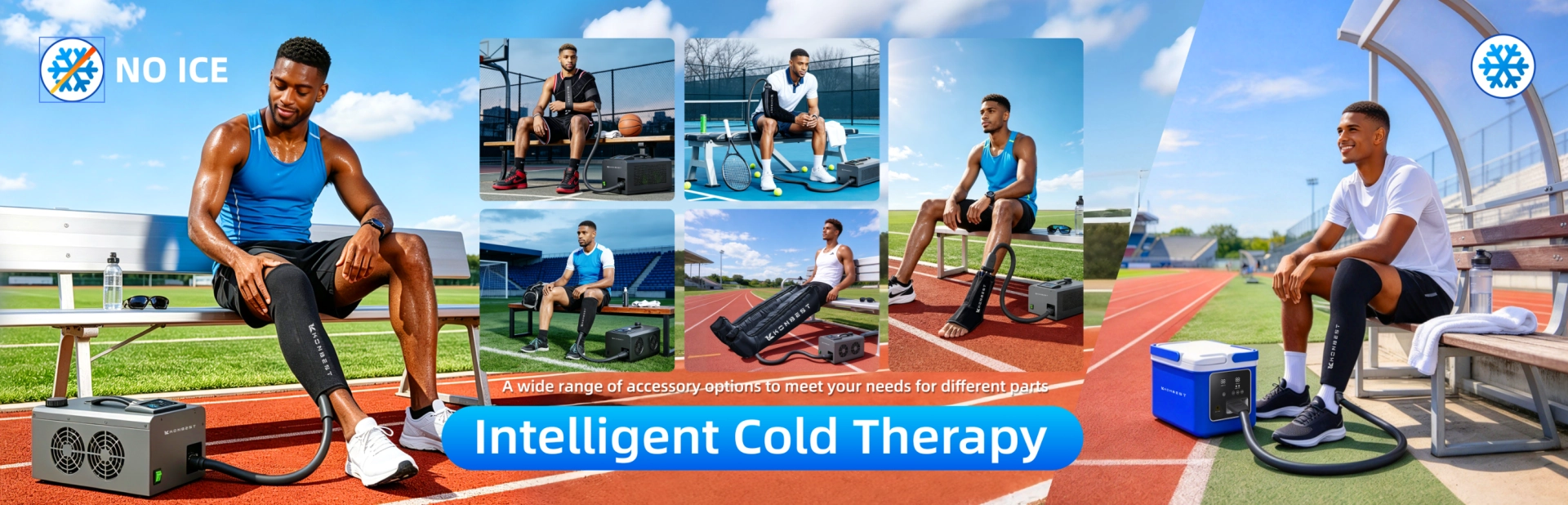
Beyond compression boots, KONBEST also provides cold therapy equipment, red light therapy devices, and other sports recovery products. This makes it possible for distributors to source different recovery product categories through one manufacturing partner.
Whether you are building a new recovery equipment brand, expanding an existing wholesale catalogue, or sourcing products for a distribution network, the right cooperation model can help make purchasing and product planning more efficient.
Looking for a compression boots manufacturer for your next bulk order? Visit the KONBEST Compression Boots Product Range to compare available models and configurations.
Contact the KONBEST team to discuss your target market, expected order quantity, OEM or ODM requirements, and private label project. You can request product specifications, sample arrangements, and a customized quotation before making your purchasing decision.
9. Frequently Asked Questions
Q1: What is the main difference between OEM and ODM compression boots?
OEM means the manufacturer produces products based on the buyer's specifications or design requirements. ODM means the manufacturer provides an existing design or development solution that the buyer can select and customize. OEM usually gives buyers more control over product specifications.
Q2: Is private label the same as OEM?
No. Private label mainly focuses on selling products under your own brand. OEM focuses on manufacturing according to customer requirements. A private label project may use an existing ODM product or an OEM-customized product.
Q3: Can I customize the logo, colors, and packaging of compression boots?
Yes. KONBEST supports private label customization, including logos, product colors, packaging, and accessories. Available options depend on the selected model and order requirements.
Q4: Which compression boots are suitable for distributors and wholesalers?
It depends on your target customers. Four-chamber models can suit general recovery product ranges, six-chamber systems can serve professional fitness and sports recovery channels, and eight-chamber models can support more advanced product lines.
Q5: Can KONBEST support medium and large wholesale orders?
Yes. KONBEST has a 12,000 m² manufacturing facility, five production lines, and professional R&D and quality inspection teams. The company supports OEM, ODM, private label, and bulk purchasing projects. Buyers can discuss order quantities and production schedules directly with the factory.
Q6: How long does it take to receive a sample?
KONBEST supports two-day sampling for applicable projects. The actual sample schedule depends on the selected model, customization requirements, and sample confirmation process.
Q7: Can I visit the KONBEST factory before placing a large order?
Yes. Factory inspection support is available. Buyers can discuss production facilities, quality inspection procedures, product specifications, and customization requirements before confirming a purchasing project.
Q8: What certifications should I check when importing compression boots?
Buyers should check the applicable CE, RoHS, ISO-related documentation, and other requirements for their destination market. Always request documents for the exact product model and verify that they meet local import and sales regulations.
Start Your Compression Boots OEM, ODM, or Private Label Project with KONBEST. Share your target market, preferred product configuration, and estimated order quantity to receive a suitable sourcing proposal.
Table of Contents
- Table of Contents
- 1. What Do OEM, ODM, and Private Label Mean?
- 2. OEM Compression Boots: Build Products to Your Specifications
- 3. ODM Compression Boots: Save Time on Product Development
- 4. Private Label Compression Boots: Build Your Own Brand
- 5. OEM vs ODM vs Private Label: Key Differences
- 6. How to Match Compression Boots with Your Market
- 7. What B2B Buyers Should Check Before Bulk Orders
- 8. Why Choose KONBEST as Your Compression Boots Manufacturer?
-
9. Frequently Asked Questions
- Q1: What is the main difference between OEM and ODM compression boots?
- Q2: Is private label the same as OEM?
- Q3: Can I customize the logo, colors, and packaging of compression boots?
- Q4: Which compression boots are suitable for distributors and wholesalers?
- Q5: Can KONBEST support medium and large wholesale orders?
- Q6: How long does it take to receive a sample?
- Q7: Can I visit the KONBEST factory before placing a large order?
- Q8: What certifications should I check when importing compression boots?