
 EN
EN
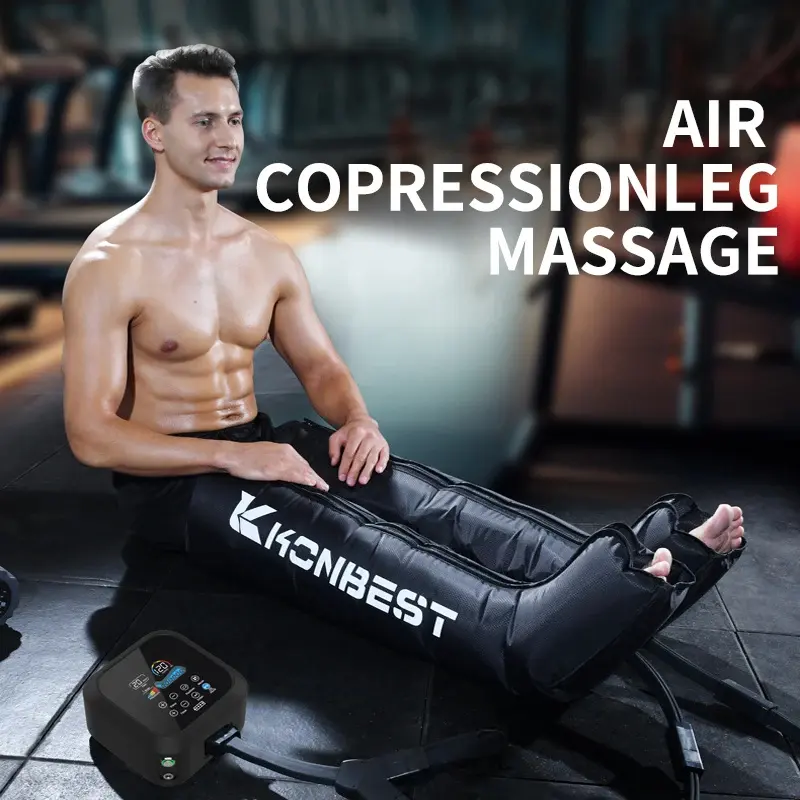
What Determines Whether a Compression Boots Product Can Truly Scale in Global B2B Markets
In B2B sourcing, most compression boots products look acceptable at the beginning stage.
Samples pass testing, basic functions work, and small orders are delivered without issues.
But scaling is where real differences appear.
Once orders move from small batches to repeated bulk shipments, many products start showing instability in performance, delivery, or OEM consistency.
This is where many distributors quietly face operational pressure that was not visible during initial sourcing.
For buyers managing long-term expansion, choosing a stable bulk compression boots supplier becomes a structural decision, not just a product choice.
KONBEST has 17 years of experience in sports recovery manufacturing, serving over 100 countries and supporting more than 300 OEM brands. With 5000㎡ factory space, 5 production lines, medical-level standards, and strict QC systems, it supports distributors from early-stage orders to full container-level expansion.
Table of Contents
- Why scaling reveals the real product truth
- What happens when a product cannot scale
- What makes a product scalable in real production
- Why factory structure determines long-term stability
- Why OEM stability becomes critical at scale
- Hidden risk of switching suppliers after scaling
- Where scalable systems are required
- Who depends on scalable supply systems
- Q&A
Why Scaling Reveals the Real Product Truth
At small order level, almost any factory can look stable.
But scaling introduces pressure that cannot be simulated in sample testing:
- Repeated production cycles
- Continuous shipping demand
- Component sourcing stability
- QC consistency across batches
This is why real evaluation begins only after order volume increases.
For buyers planning a compression boots bulk order strategy, scaling performance is more important than sample results.
What Happens When a Product Cannot Scale
When a product is not scalable, problems appear gradually:
- Air pressure variation between batches
- Delayed container readiness during peak demand
- OEM inconsistency in branding output
- Increased after-sales issues in different markets
These issues are not always visible at first, but they accumulate as order volume grows.
Eventually, distributors face instability in supply chains that affects market execution.
What Makes a Product Scalable in Real Production
A scalable compression boots system is not defined only by features.
It is defined by production repeatability and system control.
Key requirements include:
- Stable air pressure system design
- Standardized production workflow
- Controlled component sourcing system
- Consistent QC across production cycles
This is why professional buyers prefer a wholesale compression therapy boots supplier with structured manufacturing systems.
Why Factory Structure Determines Long-Term Stability
Production capacity alone is not enough.
Without structure, scaling leads to inconsistency.
KONBEST operates 5 production lines with controlled workflows and medical-level QC standards.
This ensures stability in:
- Production scheduling
- Batch consistency
- Delivery timelines
- OEM output control
This level of control is essential for buyers working with a OEM compression recovery boots manufacturer.
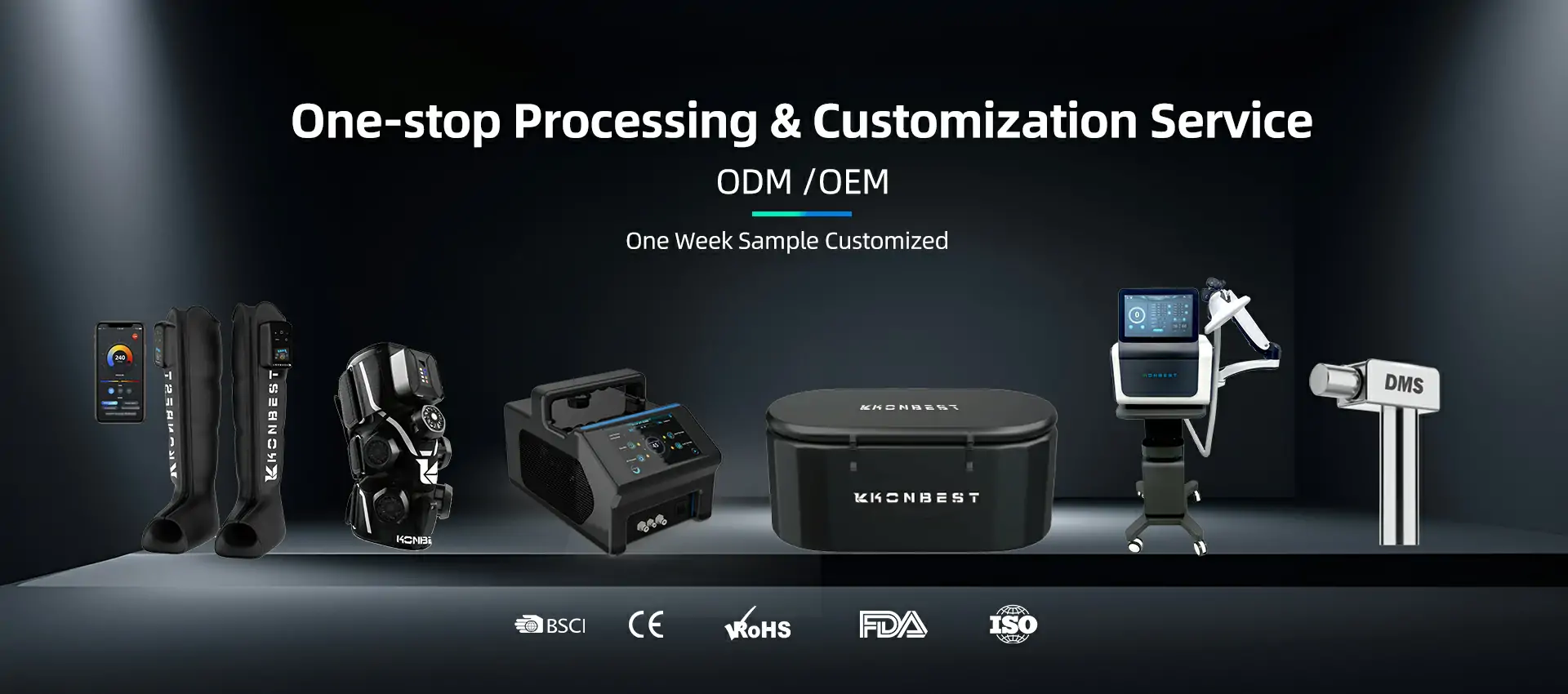
Why OEM Stability Becomes Critical at Scale
When distributors expand into multiple regions, OEM is no longer cosmetic.
It becomes a representation of brand identity.
Without consistency, markets begin to show fragmentation in product perception.
KONBEST ensures stable OEM output including:
- Uniform logo application
- Controlled packaging replication
- Stable product revision process
Hidden Risk of Switching Suppliers After Scaling
One of the most underestimated risks in B2B sourcing is supplier switching after scaling begins.
It often requires:
- Re-validating product performance
- Adjusting OEM and packaging systems
- Rebuilding logistics timelines
- Re-establishing customer trust in different markets
This is why experienced buyers tend to maintain a factory direct compression recovery boots supplier once stability is confirmed.
Where Scalable Systems Are Required
- Sports recovery chains with daily usage demand
- Rehabilitation clinics with continuous patient flow
- Professional training centers
- Multi-location fitness recovery businesses
These environments require uninterrupted supply and consistent performance.
Who Depends on Scalable Supply Systems
- Medium and large distributors expanding globally
- Wholesalers managing continuous bulk procurement
- Resellers building long-term OEM product lines
- Importers managing container-based sourcing strategies
These buyers depend on system stability more than unit cost differences.
Q&A
Q1: Why do many products fail during scaling?
A: Because production systems cannot maintain consistency under repeated high-volume cycles.
Q2: What is the real difference between sample and mass production?
A: Sample testing does not simulate long-term production pressure and supply chain stress.
Q3: Why is scalability more important than features?
A: Because distribution success depends on stable supply, not just product capability.
Q4: Why is supplier switching risky after growth?
A: Because it disrupts OEM systems, logistics, and market trust.
Q5: Who should prioritize scalability?
A: Any distributor, wholesaler, or reseller planning long-term market expansion.
Recommended Product Link
Table of Contents
- What Determines Whether a Compression Boots Product Can Truly Scale in Global B2B Markets
- Table of Contents
- Why Scaling Reveals the Real Product Truth
- What Happens When a Product Cannot Scale
- What Makes a Product Scalable in Real Production
- Why Factory Structure Determines Long-Term Stability
- Why OEM Stability Becomes Critical at Scale
- Hidden Risk of Switching Suppliers After Scaling
- Where Scalable Systems Are Required
- Who Depends on Scalable Supply Systems
- Q&A
- Recommended Product Link