
 EN
EN
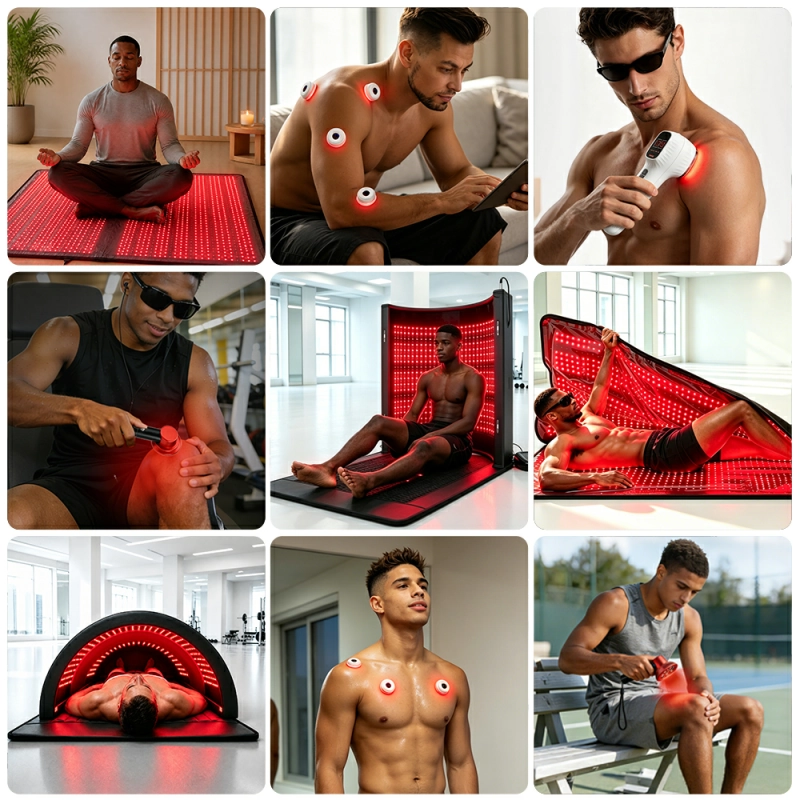
For a distributor or wholesaler, adding red light therapy products is not simply a matter of finding a machine and putting it in a catalog. The harder part is building a product range that is easy to explain, easy to brand, and stable enough for repeat orders.
KONBEST provides a factory-based option for businesses looking to develop their own recovery product line. With 17 years of sports recovery R&D and manufacturing experience, products supplied to more than 100 countries, and more than 300 customized brand projects, KONBEST can support both product selection and private label development.
The factory covers 12,000 square meters and has 5 production lines, R&D and QC teams, and a professional showroom. For medium and large B2B orders, the important point is not one single device. It is whether the supplier can support the complete product plan from sample testing to repeat production.
Table of Contents
- Start With the Customer, Not the Machine
- Small Wearable Device for Flexible Sales Channels
- Full-Body Blanket for Wider Coverage
- Professional Equipment for Dedicated Spaces
- When Customers Want More Than Red Light
- Specifications Worth Checking Before Purchase
- Turn Standard Products Into a Private Label Range
- How Different B2B Buyers Can Use the Range
- Why Factory Capability Matters for Repeat Orders
- Q&A
Start With the Customer, Not the Machine
A simple mistake in recovery equipment purchasing is choosing a product first and then trying to find customers for it.
For a red light therapy devices manufacturer, the better approach is to look at the sales channel first.
A sports shop may need a compact product that is easy to display. A wellness center may need a larger system that can stay in one room. A gym may want several price levels in the same catalog. A reseller may prefer a lightweight product that is easier to handle and ship.
These buyers do not need exactly the same equipment.
That is why a product range can be more useful than one standard model. KONBEST offers different product formats, allowing B2B buyers to build a line around different customer needs instead of forcing every customer into the same product.
Small Wearable Device for Flexible Sales Channels
For distributors entering the category, a compact device can be a practical starting point.
The RL-202 uses 660nm red light and 850nm near-infrared light. It weighs about 30g and has a 450mAh battery. A Type-C charging design makes daily charging simple. After around one hour of charging, the device can provide about 90–105 minutes of operation, depending on use.
It also offers 5 therapy modes and can be used with adhesive patches or a 1-meter adjustable strap.
These details matter when a buyer is planning distribution. The product is small, light, and easy to store. It does not require a large showroom area. A reseller can also place it beside other sports recovery products instead of building a separate equipment section.
For a new private label project, this type of device can also be useful for sample testing. Buyers can check the physical product, controls, packaging, logo position, and accessories before deciding whether to extend the range.
Full-Body Blanket for Wider Coverage
Some customers will ask a very different question: “Do you have something for larger body coverage?”
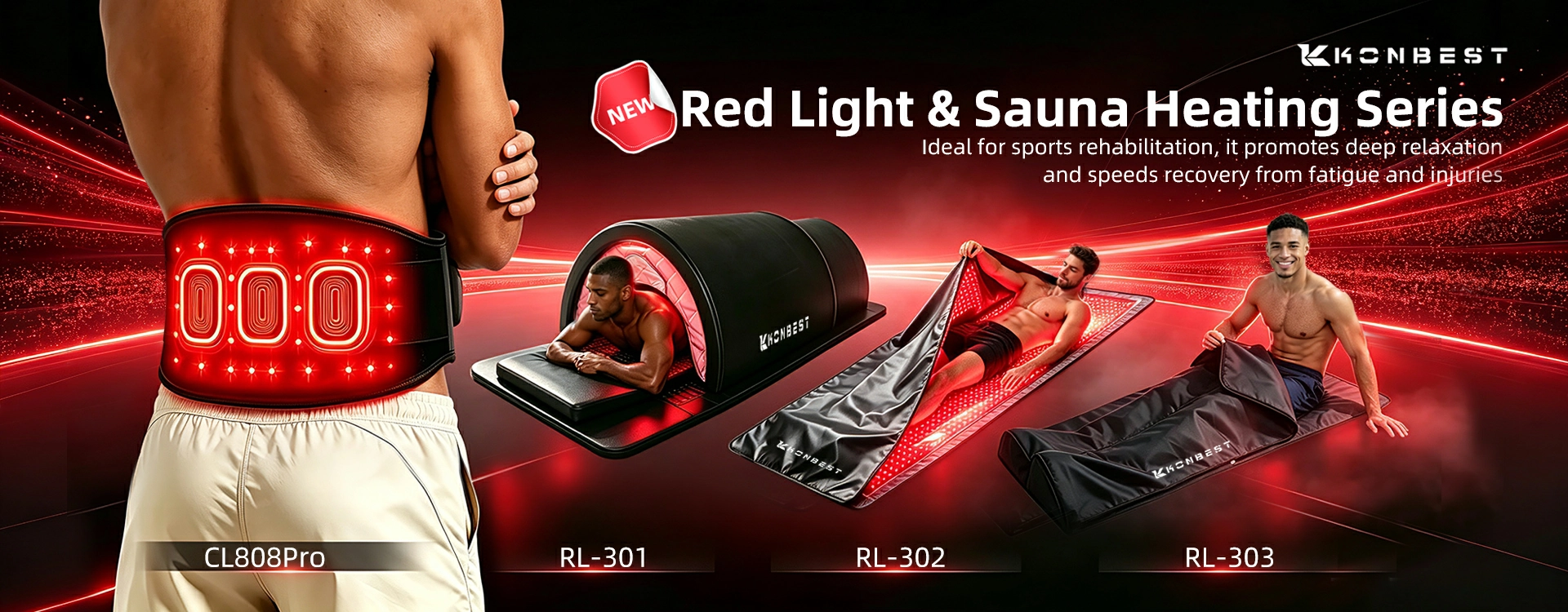
The RL302 Full Body Red Light Therapy Blanket gives distributors another answer.
Its size is approximately 180 × 180 cm, with 2,240 LEDs using 660nm red light and 850nm near-infrared light. It has 3 light modes, 5 power levels, and a 10–60 minute timer.
The blanket can be folded for storage, which makes it easier to use in spaces where permanent equipment is not practical.
This can fit a different B2B customer profile from a wearable device. A wellness business, recovery studio, personal training facility, or home wellness retailer may be looking for a larger product that creates a different user experience.
For a wholesaler, having both formats also makes product selection easier. The compact model can cover one part of the catalog, while the full-body blanket provides a larger equipment option.
Professional Equipment for Dedicated Spaces
Not every buyer wants portable equipment.
Some businesses have a dedicated recovery room and need larger equipment that can remain in place. The RL301 red light infrared sauna dome is designed for this type of environment.
The system combines 660nm red light and 850nm near-infrared light with far-infrared heat and additional wellness functions. Its larger format gives it a different role from a wearable device or blanket.
This type of equipment can be considered by gyms, sports recovery facilities, wellness studios, rehabilitation-related businesses, and other professional locations with dedicated space.
For a distributor, the value is in having a clear product ladder. You can offer a smaller device to one customer and a larger professional system to another without changing the manufacturing partner.
When Customers Want More Than Red Light
Recovery buyers sometimes want several functions in one product. This is especially common when a gym or sports recovery business is trying to keep equipment simple and flexible.
The CL808Pro takes this route. It combines cold therapy, heat therapy, air compression, 660nm red light, and 850nm near-infrared light.
This gives it a different selling position from a red-light-only device. It can be considered for sports teams, gyms, recovery centers, wellness businesses, and professional users who want several recovery functions in one system.
For a red light therapy equipment supplier, a multi-function model can also help answer customers who are not looking for a single-purpose product.
For a private label buyer, it can become a higher-level product within the same brand family while smaller devices serve customers who want a simpler option.
Specifications Worth Checking Before Purchase
When comparing suppliers, the product name tells you very little. B2B buyers should look at the actual specifications.
For red light equipment, start with the light configuration. The models above use 660nm red light and 850nm near-infrared light. Then check how the device is controlled and how it fits the intended use.
- Wavelength: Check whether the selected wavelengths match your planned product positioning.
- LED quantity: Larger products may use many more LEDs because they cover a wider area.
- Operating modes: Check the number of modes and whether power levels can be adjusted.
- Timer: Confirm the available operating time before purchase.
- Battery: For wearable or portable products, check capacity, charging type, and expected operating time.
- Product size: A large device needs different storage, shipping, and showroom planning from a small wearable.
- Accessories: Confirm straps, patches, bags, cables, controllers, and other included parts.
- Documentation: Ask for the available compliance and certification documents for the exact model.
This type of checking is more useful than comparing two products only by price. A cheaper unit may not have the product format, accessories, customization, or documentation needed for your market.
Turn Standard Products Into a Private Label Range
Private labeling should make the product line look consistent. It should not stop at a logo.
KONBEST supports private label logo, color, package, and accessories customization. This gives distributors and resellers more control over how the finished products appear in their catalogs and sales channels.
A practical private label project can be planned in stages:
- Select two or three products for the first range.
- Choose the models according to different customer groups.
- Request samples for physical and functional checks.
- Confirm logo position and product color.
- Review packaging and included accessories.
- Confirm the final specifications before mass production.
- Keep the approved sample as a reference for later orders.
This last step is easy to overlook. For repeat B2B purchasing, the approved sample can become an important reference for product appearance, configuration, packaging, and accessories.
How Different B2B Buyers Can Use the Range
Distributors
Distributors normally need products that can fit several downstream customers. A mixed range can make this easier. The RL-202 can cover compact products, the RL302 can cover wider-area use, and larger systems can be offered to professional facilities.
Wholesalers
Wholesalers often need several models rather than one device. A broader range lets them serve retailers, fitness businesses, wellness stores, and recovery facilities from one supply chain.
Resellers
Resellers may focus on products that are simple to explain and easy to place in an online or offline catalog. Wearable and portable products can be easier to handle, while larger equipment can be reserved for customers looking for professional setups.
Sports and Recovery Facilities
Gyms, sports teams, recovery centers, and wellness studios may need several types of equipment because their customers have different preferences. A combination of portable, full-body, and multi-function products can give these businesses more options.
Why Factory Capability Matters for Repeat Orders
A private label project may begin with a small sample order, but the real test comes later. Can the supplier make the same product again?
KONBEST has 17 years of manufacturing and R&D experience, products supplied to more than 100 countries, and more than 300 brand customization projects. Its 12,000-square-meter factory includes 5 production lines, R&D resources, QC teams, and a product showroom.
The company also supports factory inspection. This gives B2B buyers a chance to review the production environment and quality control process before moving forward with a larger purchasing plan.
KONBEST products are supported by CE, ISO, RoHS, BSCI, and other relevant certification documentation, depending on the product and market. Buyers should confirm the exact documents for the selected model before placing an order.
For suitable projects, KONBEST also promotes 2-day sampling and 7-day shipping. The actual schedule depends on the model, quantity, customization, and destination, so these details should be confirmed during the order process.
If you are planning a private label recovery line, you can review the KONBEST red light therapy system and discuss which products fit your distribution channel.
Q&A
Can KONBEST make red light therapy products with my brand?
Yes. KONBEST supports private label projects, including logo, color, packaging, and accessory customization.
Which red light product is easier for a reseller to start with?
A compact wearable product such as the RL-202 can be easier to handle because of its small size and light weight. The right choice still depends on your customer group and sales channel.
What is the difference between the RL-202 and RL302?
The RL-202 is a small wearable device designed around portability. The RL302 is a 180 × 180 cm full-body blanket with 2,240 LEDs, 3 light modes, 5 power levels, and a 10–60 minute timer.
Can wholesalers buy several models together?
Yes. A mixed order can be discussed according to the selected products, order quantity, customization requirements, and target market.
Does KONBEST provide samples before larger orders?
Yes. Sample testing is recommended before mass production so buyers can check the product, branding, packaging, accessories, and other details.
Can B2B buyers inspect the factory?
Yes. KONBEST supports factory inspection for buyers who want to review production capability and quality control before placing larger orders.
Table of Contents
- Table of Contents
- Start With the Customer, Not the Machine
- Small Wearable Device for Flexible Sales Channels
- Full-Body Blanket for Wider Coverage
- Professional Equipment for Dedicated Spaces
- When Customers Want More Than Red Light
- Specifications Worth Checking Before Purchase
- Turn Standard Products Into a Private Label Range
- How Different B2B Buyers Can Use the Range
- Why Factory Capability Matters for Repeat Orders
-
Q&A
- Can KONBEST make red light therapy products with my brand?
- Which red light product is easier for a reseller to start with?
- What is the difference between the RL-202 and RL302?
- Can wholesalers buy several models together?
- Does KONBEST provide samples before larger orders?
- Can B2B buyers inspect the factory?